Ecommerce Marketing
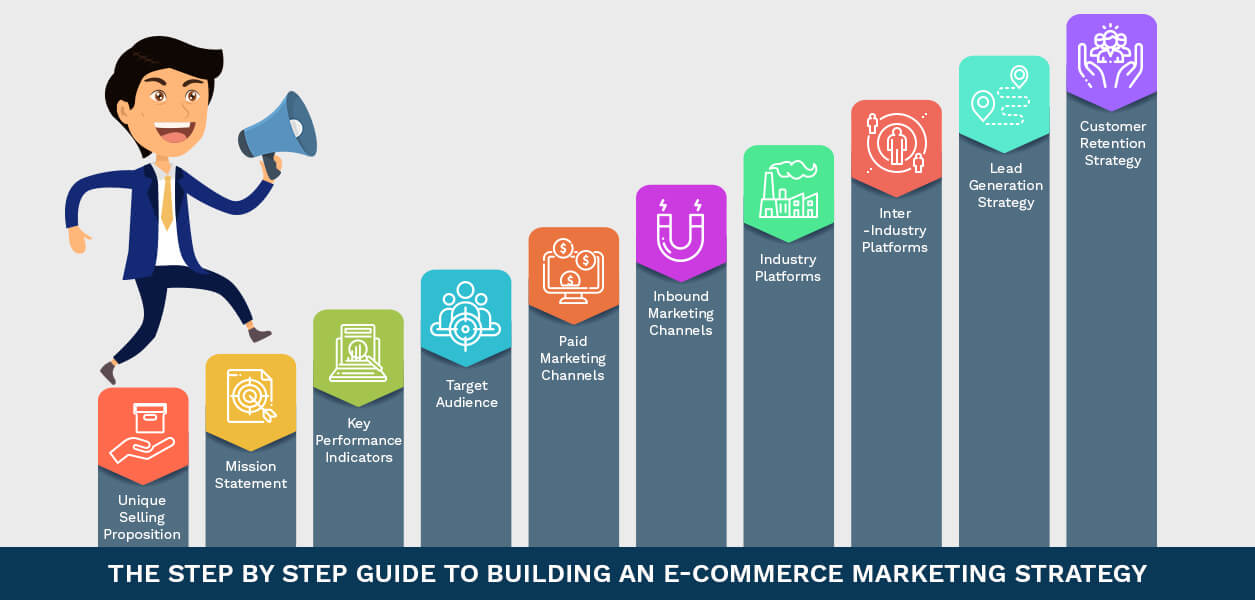
Ecommerce marketing encompasses all the strategies and techniques used to promote online stores and drive traffic to their websites with the goal of increasing sales. It combines various digital marketing tactics to attract, engage, and convert potential customers. Here’s a comprehensive overview of ecommerce marketing, including strategies, best practices, and key components:
- 1. What is Ecommerce Marketing?
Ecommerce marketing refers to the practice of promoting products and services through online platforms to maximize sales and customer engagement. It includes a wide range of activities designed to attract visitors, convert them into customers, and retain them for future purchases.
- 2. Key Components of Ecommerce Marketing
- Website Optimization: Ensuring the ecommerce site is user-friendly, mobile-responsive, and optimized for search engines (SEO) to enhance visibility.
- Content Marketing: Creating valuable content (blogs, guides, videos) that educates potential customers about products and drives organic traffic.
- Email Marketing: Sending targeted emails to nurture leads, promote products, and encourage repeat purchases through newsletters, promotions, and cart abandonment reminders.
- Social Media Marketing: Leveraging social media platforms to connect with audiences, share content, and drive traffic to the ecommerce site.
- Paid Advertising: Using pay-per-click (PPC) advertising on platforms like Google Ads and social media to reach specific target audiences quickly.
- Influencer Marketing: Partnering with influencers to leverage their audience and enhance brand visibility.
- 3. Effective Ecommerce Marketing Strategies
- 1. Search Engine Optimization (SEO)
- Optimize product pages, category pages, and content for relevant keywords.
- Use meta tags, alt texts, and descriptive URLs to enhance visibility in search engines.
- 2. Pay-Per-Click (PPC) Advertising
- Create targeted ads on search engines and social media to attract potential customers.
- Utilize retargeting ads to re-engage visitors who have previously interacted with your site.
- 3. Social Media Marketing
- Use platforms like Facebook, Instagram, Pinterest, and TikTok to showcase products and engage with users.
- Run targeted ad campaigns to reach specific demographics and interests.
- 4. Email Marketing
- Build a segmented email list to send personalized promotions and recommendations.
- Implement automated campaigns for cart abandonment, welcome sequences, and post-purchase follow-ups.
- 5. Content Marketing
- Develop informative blogs, tutorials, and videos that resonate with your target audience.
- Use user-generated content, such as reviews and testimonials, to build trust and credibility.
- 4. Best Practices for Ecommerce Marketing
- User Experience (UX): Ensure the website is easy to navigate, with clear product descriptions, high-quality images, and simple checkout processes.
- Mobile Optimization: With a significant number of users shopping on mobile devices, ensure your site is fully optimized for mobile viewing.
- Personalization: Use data analytics to offer personalized recommendations and experiences based on user behavior and preferences.
- A/B Testing: Regularly test different elements of your marketing campaigns (e.g., email subject lines, ad copy) to identify what works best.
- Customer Service: Provide excellent customer service through live chat, responsive support, and easy return policies to enhance customer satisfaction.
- 5. Analytics and Measurement
- Use tools like Google Analytics and eCommerce tracking to monitor traffic, conversion rates, and customer behavior.
- Track key performance indicators (KPIs) such as average order value, customer acquisition cost, and return on investment (ROI) for marketing efforts.
- 6. Future Trends in Ecommerce Marketing
- Voice Search Optimization: With the rise of smart speakers, optimizing for voice search is becoming increasingly important.
- Augmented Reality (AR): AR can enhance online shopping experiences by allowing customers to visualize products in their own environments.
- Sustainability and Ethical Practices: Consumers are increasingly concerned about sustainability, so promoting eco-friendly practices can enhance brand loyalty.
- Subscription Models: Implementing subscription services can encourage recurring revenue and build long-term customer relationships.
By leveraging these strategies and best practices, businesses can create effective ecommerce marketing campaigns that attract and retain customers, ultimately driving sales and growth. If you have specific questions or would like to explore certain aspects further, feel free to ask!