
On-site analytics refers to any type of website analytics tool that tracks metrics related to your company’s website and its use. In other words, analytics for what happens on your site.
You’re probably already recording and tracking at least some on-site metrics. Every aspect of your website traffic, from unique visitor count to web traffic source to bounce rate is included in this type of site analytics.
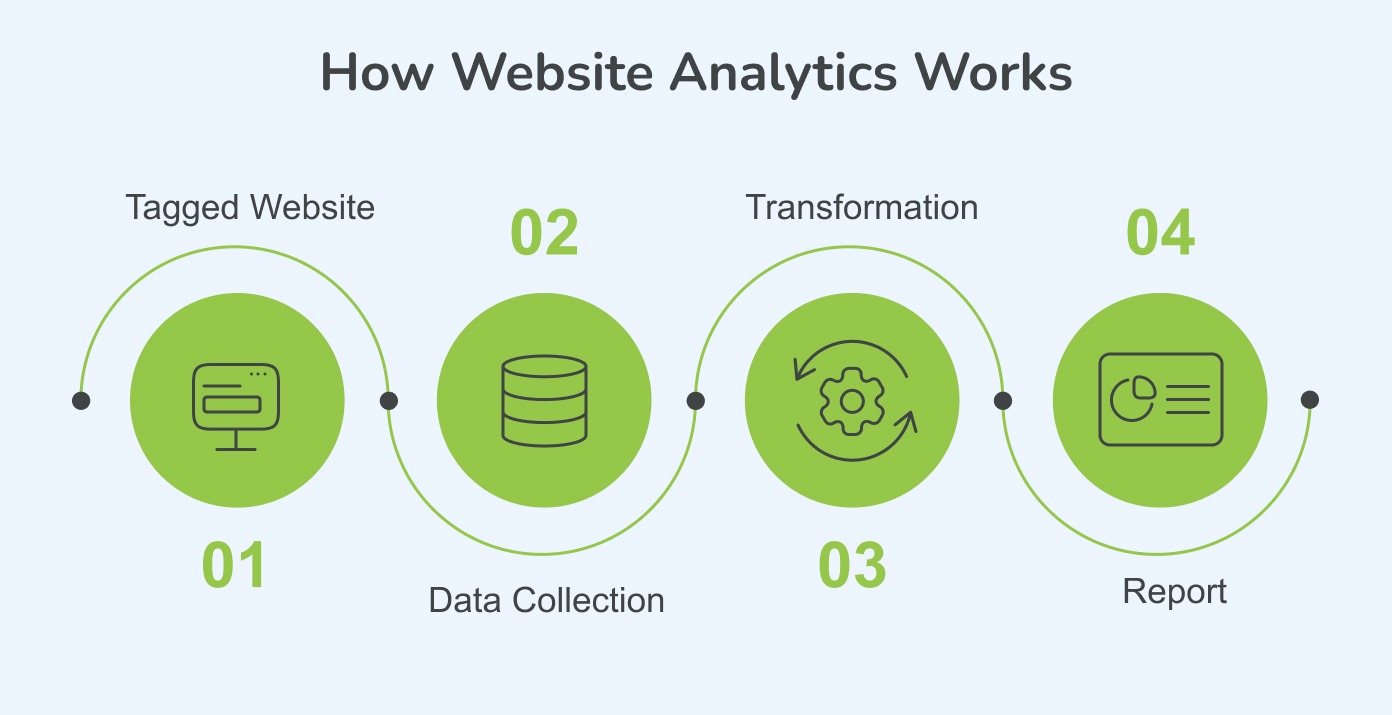
Website analytics is the process of measuring, collecting, analyzing, and reporting data about the traffic and usage patterns of a website. The goal of website analytics is to understand how users interact with a website, identify areas for improvement, and optimize the user experience.
In a digital marketing course, website analytics would typically be covered as one of the key components of digital marketing. The course would teach students how to use various tools, such as Google Analytics, to track and analyze data such as website traffic, bounce rates, conversion rates, and more. The course would also cover how to interpret this data and use it to inform digital marketing decisions and optimize website performance.
There are many tools available for website analytics, ranging from free and basic solutions to enterprise-level platforms. Some of the most popular website analytics tools include Google Analytics, Adobe Analytics, Piwik, and Clicky.
However, on-site analytics is not limited to basic traffic metrics such as direct traffic. With the right web analytics tools, you can dig deeper, tracking site visitors to see how they actually use your site. Digging into on-site user behavior is an important part of customer journey analytics.
The data collected through website analytics can include information about the number of visitors to the site, the pages they visit, the time spent on the site, the referral sources (e.g. search engines, social media, advertising campaigns), and many other metrics. This information can be used to make informed decisions about the design and content of a website, as well as to measure the success of marketing campaigns and other initiatives.
On-site analytics also plays an important role in product analytics, particularly if aspects of your product are web-based or your product marketing strategy includes web-based content.
Imagine, for example, that you want to assess the effectiveness of your marketing strategy to determine whether your marketing effort is being expended in the right areas for data driven decision making. How can looking at your website data help with this?
We are a full service creative digital marketing agency based in Lucknow UP. We combine our years of experience in creating Narayana Promotions Pvt. Ltd. with creative output to generate a rich digital experience for businesses.
© 2024 - All Rights Reserved - Designed by

