Social Media Optimization
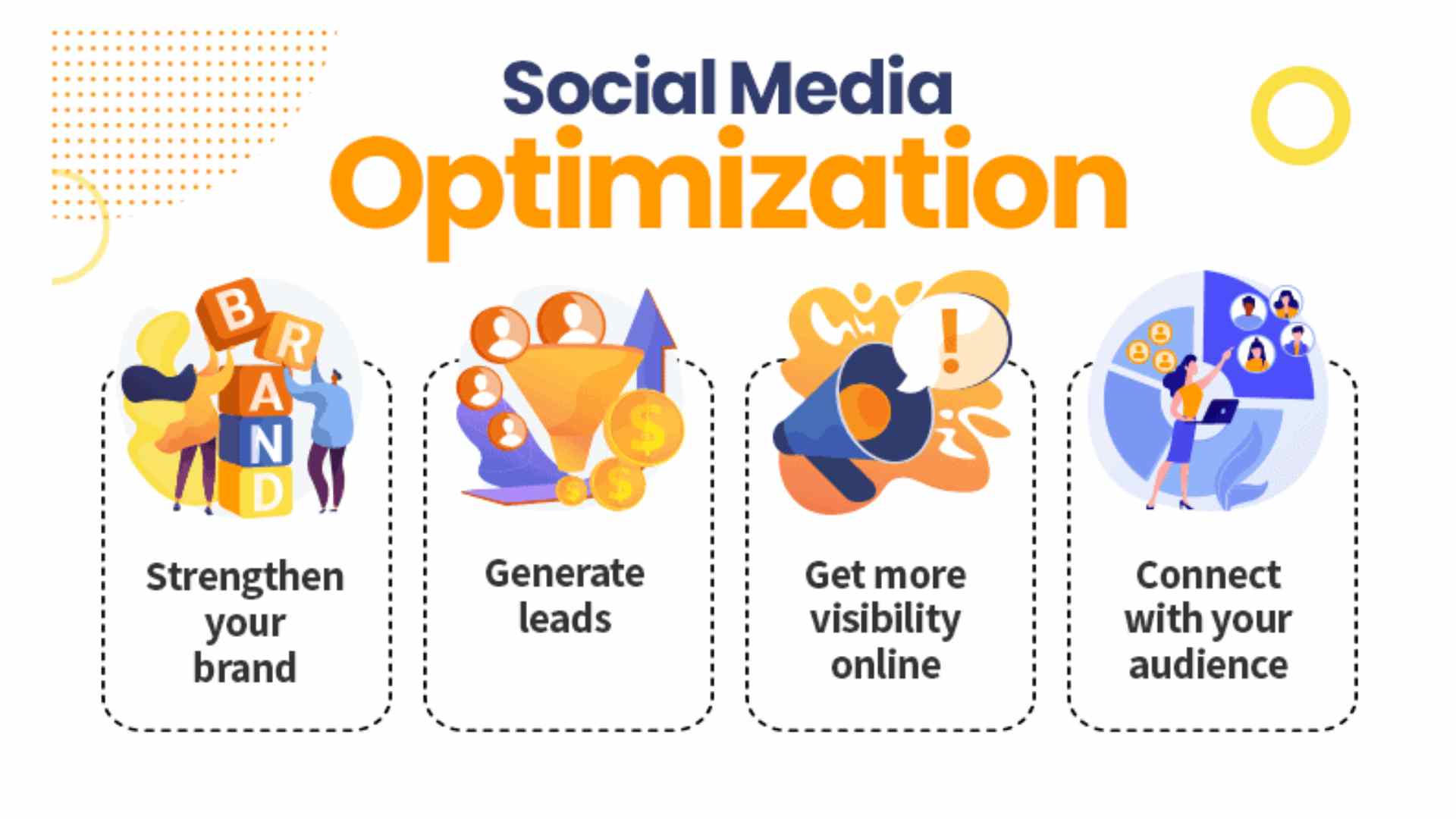
Social Media Optimization (SMO) refers to the process of enhancing a brand’s presence on social media platforms to improve visibility, engagement, and reach. It involves strategies and practices aimed at maximizing the effectiveness of social media efforts. Here’s an overview of key components, best practices, and tools related to SMO:
- 1. What is Social Media Optimization?
SMO is about using social media channels and their features effectively to promote a brand, increase awareness, and engage with users. It focuses on creating content that encourages users to share and interact, thereby extending the brand's reach.
- 2. Key Components of SMO
- Profile Optimization: Ensuring that social media profiles are fully completed with consistent branding, clear descriptions, and appropriate images.
- Content Strategy: Developing a plan for the types of content to post, including images, videos, articles, and polls that resonate with the target audience.
- Engagement Techniques: Encouraging user interaction through comments, shares, likes, and direct messages to build community and brand loyalty.
- Use of Hashtags: Implementing relevant and trending hashtags to increase the visibility of posts and reach broader audiences.
- Analytics and Measurement: Using analytics tools to track engagement metrics, follower growth, and the effectiveness of campaigns.
- 3. Best Practices for Social Media Optimization
- Define Goals: Clearly outline objectives for your social media presence, such as increasing brand awareness, driving website traffic, or generating leads.
- Know Your Audience: Understand the demographics, preferences, and behaviors of your target audience to tailor content and engagement strategies.
- Consistent Branding: Maintain uniformity in branding across all social media channels, including logos, colors, and messaging.
- Create Engaging Content: Use a mix of content types (videos, infographics, articles) to keep your audience interested and engaged.
- Optimize Posting Times: Analyze when your audience is most active on social media and schedule posts accordingly for maximum reach.
- Leverage User-Generated Content: Encourage customers to share their experiences with your brand, and repost or feature this content to build community trust.
- Monitor Trends: Stay updated on social media trends and adapt your strategy to incorporate new features or popular topics.
- 4. Tools for Social Media Optimization
- Analytics Tools: Platforms like Google Analytics, Hootsuite, or Sprout Social to track performance and engagement metrics.
- Content Creation Tools: Canva, Adobe Spark, and Lumen5 for designing visually appealing graphics and videos.
- Scheduling Tools: Buffer, Later, and Hootsuite allow for scheduling posts in advance and managing multiple social media accounts.
- Social Listening Tools: Tools like Brandwatch or Mention to monitor brand mentions, competitor activity, and industry trends.
- 5. Engagement Strategies
- Interactive Content: Use polls, quizzes, and questions to engage your audience and encourage participation.
- Respond Promptly: Engage with followers by responding to comments and messages quickly to build rapport and trust.
- Contests and Giveaways: Run contests to incentivize shares and likes, driving higher engagement and attracting new followers.
- 6. Challenges in Social Media Optimization
- Content Overload: Standing out in a crowded social media landscape can be challenging, requiring creative and high-quality content.
- Changing Algorithms: Social media platforms frequently update their algorithms, which can affect the visibility of posts.
- Time Management: Maintaining an active social media presence requires consistent effort and time investment.
- 7. Future Trends in SMO
- Short-Form Video Content: The rise of platforms like TikTok and Instagram Reels emphasizes the effectiveness of short, engaging video content.
- Increased Focus on Authenticity: Users are seeking genuine interactions and transparency from brands, leading to a demand for authentic content.
- Integration of E-commerce: Social media platforms are increasingly incorporating shopping features, allowing brands to sell directly through their profiles.
By implementing effective social media optimization strategies, brands can enhance their visibility, engage more effectively with their audience, and achieve their marketing objectives. If you have any specific questions or would like to explore certain aspects in more detail, feel free to ask!